Have Questions? We Are Standing By to Help (844) 787-7468


Blog
Understanding Turnaround Times: What to Expect with Custom Book Printing Services


Understanding Turnaround Times: What to Expect with Custom Book Printing Services
Navigating the world of custom book printing can often feel like a journey full of decisions and deadlines, especially when it comes to understanding turnaround times. For authors and publishers eager to see their stories come to life, knowing what to expect from book printing services is crucial. At Print Nation, our goal is to demystify this process, ensuring every client understands the factors that influence how quickly their book can be printed without sacrificing quality. From choosing the right book binding options to understanding the intricacies of production schedules, we are here to guide you every step of the way. Let’s explore how to plan your next publishing project with confidence and ease. 📚✨
Exploring Turnaround Times
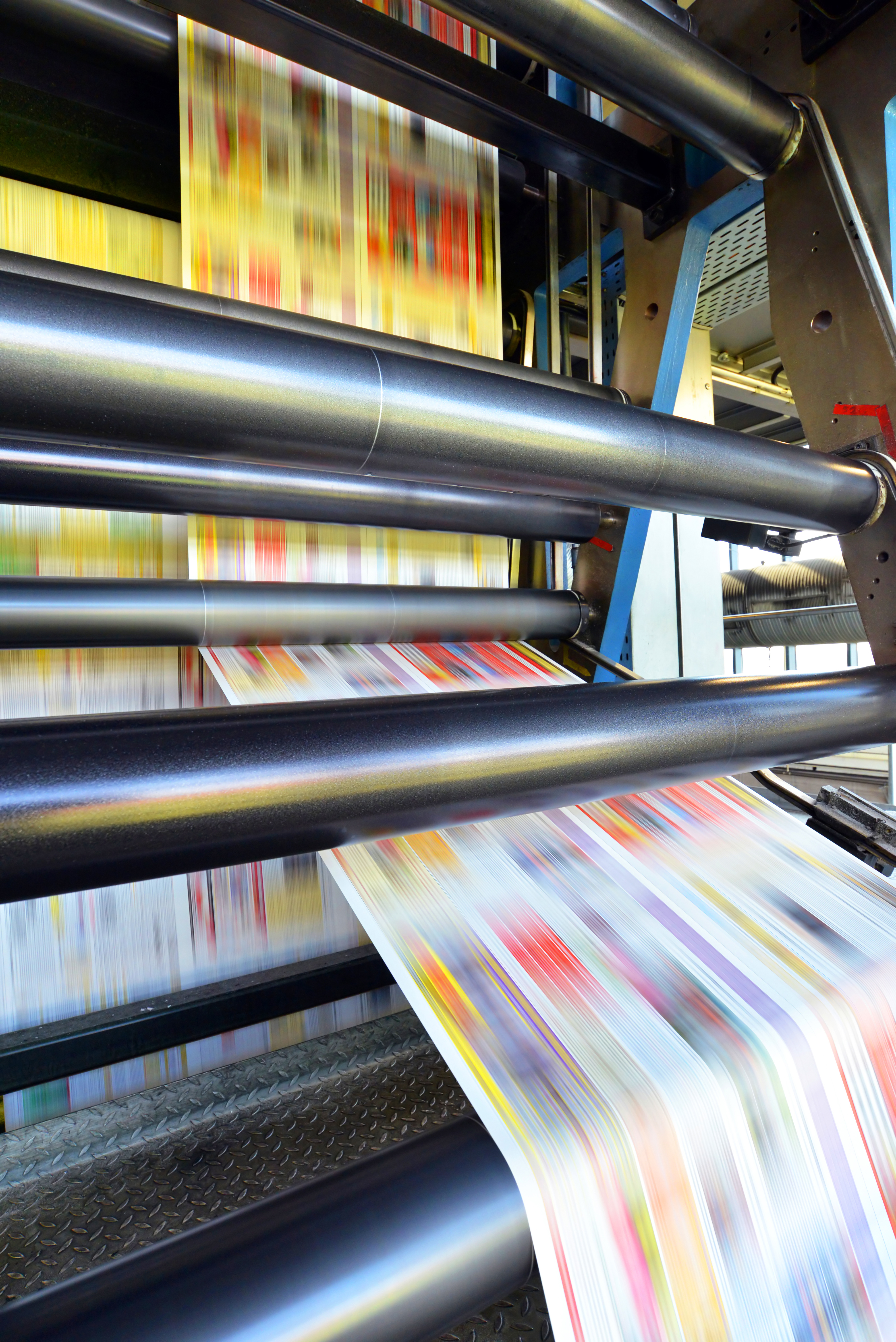
Understanding the factors that affect turnaround times in custom book printing is essential for authors and publishers. This section explores the various elements that influence how quickly a book can be produced and the balance between speed and quality.
Factors Affecting Speed
Several factors impact the speed of custom book printing. The choice of printing method, such as digital or offset, plays a crucial role. Digital printing is generally faster but may not be suitable for large print runs. Offset printing, although slower, offers higher quality for bulk orders.
-
Design complexity: Intricate designs or those requiring special finishes can extend the production timeline.
-
Volume of the order: Larger orders naturally take more time to complete.
-
Material availability: Unavailability of certain materials can lead to delays, making it critical to plan ahead.
Real-world examples show how a small increase in order size from 500 to 1,000 copies can significantly impact the turnaround time. Companies often prioritize orders based on size, so understanding these dynamics is key.
Quality vs. Speed Balance
Finding the right balance between quality and speed is crucial. Authors and publishers often struggle with choosing between a quick turnaround and maintaining high standards. It’s essential to consider the audience’s expectations and the book’s purpose.
-
Quality considerations: High-quality printing might take longer but ensures a durable and visually appealing product.
-
Speed needs: For events or launches, faster printing might be prioritized, even if it means compromising slightly on quality.
Table: Quality vs. Speed Comparison
|
Priority |
Speed Focus |
Quality Focus |
|---|---|---|
|
Printing Method |
Digital |
Offset |
|
Typical Use |
Short-term events |
Long-lasting editions |
|
Cost |
Generally lower |
Potentially higher |
Choosing Book Binding Options
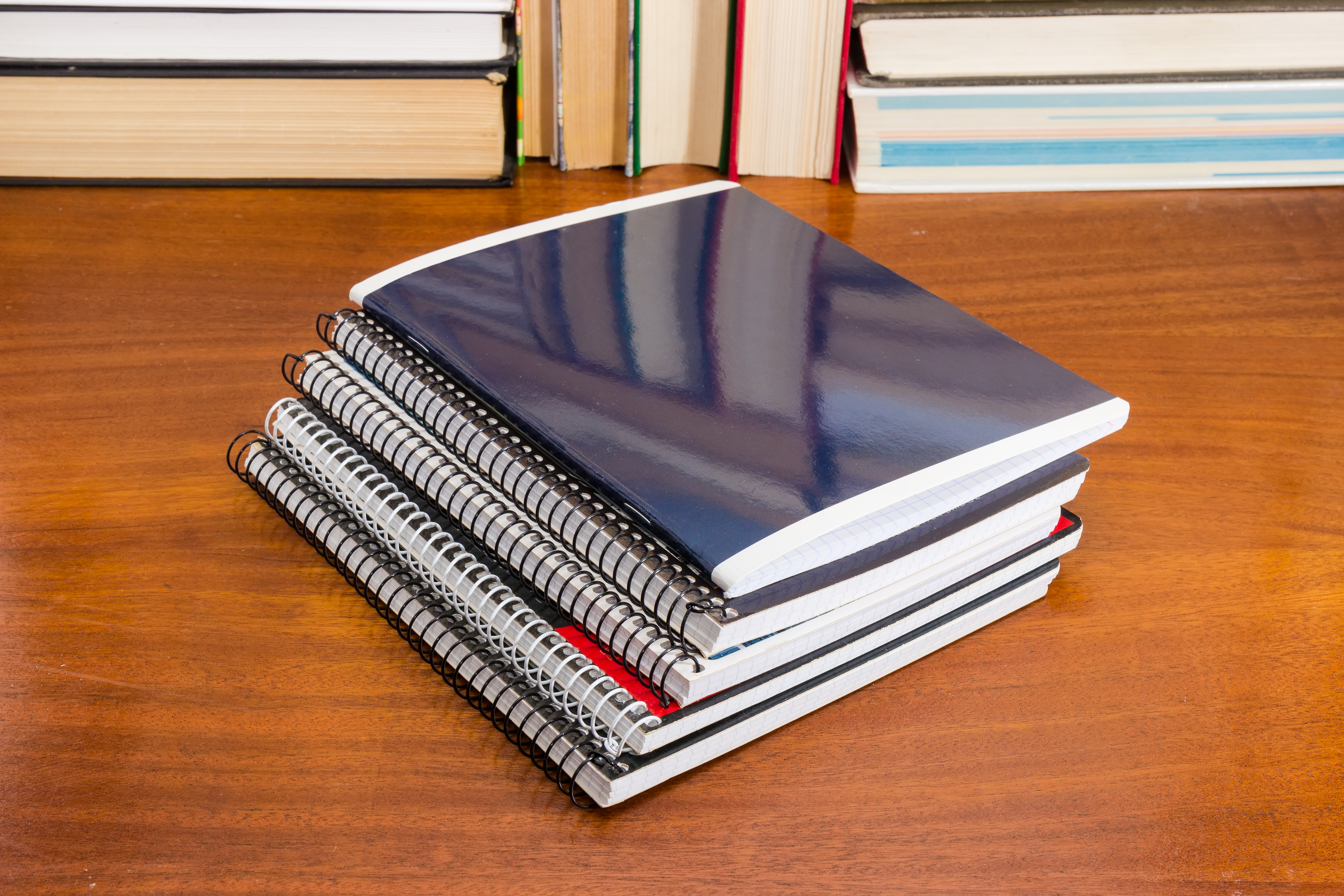
Selecting the right book binding option is a critical part of the printing process. This section delves into popular binding styles and how customization and specialty finishes can enhance your book’s appeal.
Popular Binding Styles
Popular book binding styles include perfect binding, saddle stitching, wire-O, and spiral binding. Each style offers unique benefits, influencing both the book’s appearance and its durability. Understanding these options helps authors make informed decisions suited to their content and audience.
Perfect binding is common for novels and larger volumes, providing a professional look. Saddle stitching is economical, ideal for shorter works like pamphlets. Wire-O and spiral binding are perfect for workbooks or manuals that require easy page turning.
To explore the comprehensive features of popular binding styles, Replica Printing shares detailed insights into their application to various projects.
Customization and Specialty Finishes
Customization options and specialty finishes can significantly enhance a book’s appeal. Sleeking with foil, embossing, and lamination are just a few techniques available to authors seeking a unique look. These finishing touches cannot only attract attention but also offer additional protection to the book.
-
Sleeking with Foil: Adds a metallic sheen, making covers more eye-catching.
-
Embossing/Debossing: Provides texture and a tactile experience for the reader.
-
Lamination: Protects the cover, extending the book’s lifespan.
Planning for Success

Successful book printing requires careful planning and setting realistic timelines. This section provides guidance on how to effectively plan your project and the importance of collaborating with experts.
Setting Realistic Timelines
Setting a realistic timeline is crucial for managing expectations and ensuring a smooth printing process. Begin by understanding the production time for each stage, from design to delivery. Collaborate closely with your printer to identify potential bottlenecks.
-
Initial Consultation: Discuss project scope and timelines.
-
Design and Proofing: Allow time for revisions and final approvals.
-
Printing and Finishing: Account for production and any customizations.
-
Shipping: Consider transit times to your location.
Working with Print Nation Experts
Collaborating with experts like those at Print Nation can streamline the entire printing process. Our team offers personalized guidance, ensuring every client’s unique needs are met with care and precision.
-
Consultation Services: Tailored advice to fit your project requirements.
-
Expert Recommendations: Insights on printing methods, binding, and finishes.
-
Dedicated Support: Continuous communication throughout the project.
Engaging with seasoned professionals can greatly enhance your project’s success, allowing you to focus on what matters most—your content.